In today’s business landscape, reliable electricity is more than a convenience—it is the backbone of operations. From offices and retail spaces to manufacturing plants and warehouses, commercial properties rely on a stable electrical infrastructure to power everything from lighting and computers to industrial machinery and HVAC systems. Even brief outages or inefficient electrical systems can result in lost productivity, safety hazards, and significant financial consequences. This is where Commercial Electrical Service plays a crucial role. With specialized expertise, advanced tools, and a deep understanding of electrical systems, professional electricians ensure that businesses remain powered, safe, and energy-efficient.
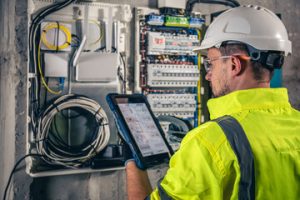
Commercial electrical service begins with a thorough assessment of the facility’s unique power needs. Unlike residential buildings, commercial properties often feature multiple high-demand systems running simultaneously. This includes lighting, security systems, refrigeration, industrial equipment, and climate control. Professional electricians analyze the existing infrastructure, evaluate load capacity, and identify areas where electrical distribution can be improved. Accurate assessment prevents overloads, reduces wear on equipment, and ensures that power is consistently delivered to critical systems. A well-planned assessment also anticipates future needs, allowing for expansions or upgrades without requiring extensive rewiring.
Safety is a foundational element of commercial electrical service. Poorly maintained electrical systems are a leading cause of fires, shocks, and other accidents in commercial environments. Licensed electricians adhere to national and local codes, ensuring that wiring, panels, and devices are installed and maintained to the highest safety standards. They install protective devices, including circuit breakers, ground fault circuit interrupters (GFCIs), and arc fault circuit interrupters (AFCIs), which help prevent overloads, short circuits, and shocks. In facilities where downtime can result in lost revenue or compromised safety, these protective measures are essential.
Maintenance and preventive care are also central to commercial electrical services. High-demand environments place considerable stress on electrical components, and regular inspections help identify potential issues before they escalate. Professional electricians check for loose connections, deteriorated insulation, overloaded circuits, and signs of wear on panels and equipment. Timely maintenance reduces the risk of accidents, extends the life of electrical systems, and ensures that businesses operate without interruptions. Preventive maintenance plans can be tailored to the facility’s operational schedule, minimizing disruption while maintaining reliability.
Energy efficiency is increasingly a focus in modern commercial electrical service. Businesses are seeking to reduce operational costs while promoting sustainability. Electricians implement solutions that optimize energy use, including LED lighting upgrades, high-efficiency motors, programmable thermostats, and smart energy management systems. In addition to reducing electricity bills, these improvements often enhance the comfort and productivity of employees by creating well-lit, climate-controlled environments that operate efficiently. Electrical contractors may also recommend energy audits to identify inefficiencies and propose targeted upgrades that maximize both savings and system performance.
Commercial electrical services extend beyond routine maintenance and energy efficiency upgrades. Many facilities require specialized installations tailored to their specific industry. For example, industrial plants may need heavy-duty circuits to power machinery, while data centers require redundant systems and backup power solutions to prevent downtime. Electricians design and implement these systems with careful attention to load management, safety, and compliance. By providing tailored solutions, they ensure that each facility’s electrical infrastructure supports its operational demands effectively.
Technology integration is another critical area where commercial electricians add value. Modern facilities increasingly rely on smart systems to monitor energy use, control lighting and HVAC, and enhance security. Electrical contractors integrate these systems into the building’s infrastructure, ensuring seamless operation and optimal efficiency. Smart systems can detect irregular energy usage, allow remote management, and automatically adjust settings based on occupancy or demand. Proper installation and calibration are essential to maximize these benefits while maintaining safety and compliance.
Emergency services are a vital aspect of commercial electrical work. Power outages, electrical faults, and equipment failures can occur unexpectedly, threatening productivity and safety. Licensed electricians provide rapid response services to diagnose and repair issues promptly. This includes troubleshooting circuits, replacing faulty components, and restoring power with minimal downtime. In businesses where every minute of operation counts, having access to reliable emergency electrical services is indispensable.
There are several core components of comprehensive commercial electrical service:
- System Assessment and Load Analysis – Evaluating power requirements, panel capacity, and circuit distribution to ensure reliability.
- Maintenance and Preventive Care – Regular inspections, component testing, and preventive repairs to prevent hazards and downtime.
- Energy Efficiency Solutions – Upgrading lighting, HVAC systems, and appliances to reduce energy consumption and operating costs.
- Specialized Installations – Tailored solutions for industrial, commercial, and technology-intensive environments.
- Smart Technology Integration – Implementing monitoring, automation, and control systems for optimized performance.
- Emergency Response Services – Rapid troubleshooting and repair to minimize operational interruptions.
Upgrading and modernizing electrical systems is a common service provided by commercial electricians. Many businesses operate on outdated wiring, panels, or circuit configurations that no longer meet current demands or safety standards. Upgrades can include replacing old wiring with higher-capacity lines, installing new panels, and implementing surge protection or backup power systems. These improvements enhance system reliability, prevent hazards, and prepare facilities to meet evolving operational and technological requirements.
Backup power solutions are particularly important in commercial settings. Generators, uninterruptible power supplies (UPS), and redundant circuits ensure that critical systems remain operational during outages. For facilities such as hospitals, data centers, and manufacturing plants, backup power is essential to maintain safety, protect sensitive equipment, and prevent costly operational disruptions. Licensed electricians design and install these systems with careful attention to load distribution, integration with existing infrastructure, and regulatory compliance.
Preventing downtime is a central focus of commercial electrical service. Even brief power interruptions can result in lost productivity, disrupted operations, or equipment damage. Electrical contractors implement strategies such as load balancing, surge protection, and preventive maintenance to minimize risks. Properly maintained systems operate more efficiently, reduce wear on equipment, and provide consistent power to essential operations. For business owners, this translates to smoother operations, fewer emergency repairs, and lower overall operating costs.
Training and guidance are additional services that commercial electricians provide to building managers and facility personnel. They educate staff on safe electrical practices, proper use of equipment, and basic troubleshooting procedures. This knowledge allows businesses to respond quickly to minor issues, identify potential hazards, and work effectively with professionals during repairs or upgrades. A well-informed team contributes to a safer and more efficient working environment.
Documentation and compliance are critical aspects of commercial electrical service. Detailed diagrams, maintenance records, and inspection reports ensure that electrical systems meet regulatory standards and simplify troubleshooting or future upgrades. Proper documentation also supports insurance claims, safety audits, and code compliance. By maintaining accurate records, electricians provide property owners with a clear understanding of the facility’s electrical infrastructure and its operational condition.
In summary, commercial electrical services are essential for ensuring safety, efficiency, and operational reliability in modern workplaces. From system assessment and maintenance to energy efficiency upgrades, specialized installations, and emergency response, licensed electricians provide comprehensive support for residential and commercial properties. Their expertise minimizes hazards, prevents downtime, and optimizes energy use, creating safer and more productive environments.
Property owners and facility managers benefit from the expertise of commercial electricians in numerous ways:
- Enhanced Safety – Proper installation, maintenance, and code compliance reduce the risk of fire, shocks, and equipment damage.
- Improved Energy Efficiency – Upgraded lighting, HVAC systems, and smart controls lower energy costs and environmental impact.
- Reliable Operations – Preventive maintenance, load management, and backup power reduce downtime and operational disruptions.
- Compliance and Documentation – Ensuring adherence to electrical codes and maintaining accurate records supports long-term safety and regulatory requirements.
- Scalable Solutions – Modern electrical systems can accommodate growth, technology upgrades, and increased power demands.
Ultimately, investing in professional commercial electrical services is an investment in business continuity, safety, and efficiency. Licensed electricians provide the expertise necessary to design, install, maintain, and upgrade electrical systems that meet the complex demands of modern commercial environments. By prioritizing safety, energy efficiency, and reliable operation, businesses can create a resilient electrical infrastructure that supports long-term growth and productivity.