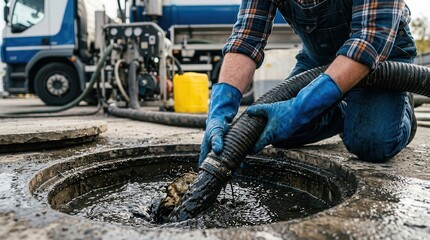
It often starts with something small. Maybe a sink begins draining a little slower than usual, or a faint odor appears near the yard. At first, these signs may seem harmless, but they can quickly develop into major septic system problems if ignored. Many property owners assume their septic system will continue working indefinitely without maintenance. The reality is that every septic tank requires routine pumping to function properly.
One of the most common questions homeowners ask is how often to schedule septic pumping. The answer depends on several factors, including household size, water usage, and tank capacity. Understanding the proper Septic Pumping Fresno schedule can help prevent costly repairs, protect the drain field, and ensure the septic system remains reliable for years to come.
Why Septic Pumping Is Necessary
A septic tank serves as the first stage of wastewater treatment for properties that are not connected to a municipal sewer system. Wastewater from sinks, toilets, showers, washing machines, and other fixtures enters the tank, where solids and liquids naturally separate.
Heavy solids settle at the bottom of the tank and form a layer known as sludge. Lighter materials such as grease, oils, and soap residue float to the top and create a scum layer. Between these layers is liquid wastewater that eventually flows into the drain field for additional treatment.
Although beneficial bacteria inside the tank help break down organic matter, they cannot completely eliminate all solids. As a result, sludge and scum continue to accumulate over time.
If these layers are not removed periodically through septic pumping, they can occupy too much space inside the tank. This reduces the tank’s ability to process wastewater effectively and increases the risk of backups, clogs, and drain field damage.
Regular septic pumping removes accumulated waste and helps maintain proper system performance.
The Average Recommended Septic Pumping Schedule
For many households, septic pumping is recommended every three to five years. This general guideline works well for average-sized homes with moderate water usage and a properly sized septic tank.
However, there is no universal pumping schedule that applies to every property. Some systems may require pumping more frequently, while others may operate efficiently for longer periods between services.
The most reliable approach is to have the septic tank inspected regularly. Professional inspections provide accurate information about sludge and scum levels, helping determine when pumping is actually needed.
Following a customized maintenance schedule based on the condition of the tank is often more effective than relying solely on a standard timeline.
Routine inspections and timely pumping help prevent waste accumulation from reaching levels that could threaten system performance.
Factors That Affect How Often Septic Pumping Is Needed
Several factors influence how quickly solids accumulate inside a septic tank. Understanding these variables can help property owners estimate how frequently pumping may be required.
Household size is one of the most significant factors. More occupants generally produce more wastewater and solid waste. A larger household will often require more frequent pumping than a smaller household using the same tank size.
Water usage habits also play an important role. Properties that use large amounts of water each day place greater demand on the septic system. Frequent laundry loads, long showers, and high water consumption can accelerate waste accumulation.
Tank size directly affects pumping intervals as well. Larger tanks have greater storage capacity and may be able to accommodate more waste before requiring service. Smaller tanks typically fill more quickly and may require more frequent maintenance.
The use of garbage disposals can also impact septic pumping schedules. Food particles entering the septic system increase the volume of solids inside the tank and may shorten the time between pumping appointments.
Lifestyle habits and wastewater management practices collectively influence the overall health and maintenance needs of the system.
Signs That Your Septic Tank May Need Pumping
Even if a septic system has not yet reached its scheduled pumping date, certain warning signs may indicate that service is needed sooner.
Slow drains are among the most common indicators. When sinks, bathtubs, and toilets throughout the property begin draining slowly, it may suggest that the septic tank is approaching capacity.
Unpleasant odors around drains, the septic tank area, or the drain field can also signal excessive waste accumulation. These odors often indicate that the system is struggling to process wastewater efficiently.
Standing water near the drain field may suggest that wastewater is not being properly absorbed into the soil. This condition can occur when excessive solids interfere with normal drainage processes.
Gurgling sounds from plumbing fixtures may result from restricted wastewater flow or trapped air within the system.
One of the most serious warning signs is sewage backing up into the home. This situation requires immediate professional attention and often indicates that the septic tank is overdue for pumping.
Addressing these signs promptly can help prevent more extensive and expensive damage.
The Risks of Waiting Too Long Between Pumping Appointments
Delaying septic pumping can have significant consequences for both the septic system and the property owner.
As sludge and scum continue to accumulate, the available space inside the tank decreases. This limits the tank’s ability to separate solids from wastewater effectively.
When solids begin escaping into the drain field, they can clog soil pores and reduce the field’s capacity to absorb wastewater. Drain field repairs are often among the most expensive septic system repairs and may require extensive excavation.
Overfilled tanks can also lead to plumbing backups inside the property. Sewage entering living spaces creates health hazards, unpleasant conditions, and costly cleanup requirements.
In addition, untreated wastewater may contaminate surrounding soil and groundwater if the system becomes overloaded.
Routine pumping is far less expensive than addressing the consequences of septic system failure. Preventive maintenance remains the most effective strategy for avoiding these risks.
How Professional Septic Inspections Help Determine Pumping Frequency
One of the best ways to determine how often septic pumping is needed is through regular professional inspections. Rather than guessing based on time alone, inspections provide direct information about tank conditions.
During an inspection, technicians measure sludge and scum levels to assess how much waste has accumulated. This allows them to determine whether pumping is necessary and estimate future maintenance needs.
Inspections also provide an opportunity to evaluate the overall condition of the septic system. Technicians can identify damaged baffles, leaks, root intrusion, and other issues that may affect performance.
Establishing a maintenance history through routine inspections helps create a customized pumping schedule tailored to the property’s specific conditions.
This proactive approach reduces uncertainty and helps ensure that pumping occurs at the optimal time.
Tips for Extending the Time Between Septic Pumping Services
While septic pumping cannot be avoided indefinitely, certain habits can help slow waste accumulation and support system efficiency.
Water conservation is one of the most effective strategies. Repairing leaks, using efficient fixtures, and spreading out water-intensive activities can reduce strain on the septic system.
Avoiding the disposal of non-biodegradable materials is equally important. Items such as wipes, paper towels, hygiene products, and other solid waste should never be flushed into the system.
Grease, fats, and oils should be disposed of properly rather than poured down drains. These materials contribute to scum buildup and can interfere with treatment processes.
Limiting the use of garbage disposals may also help reduce the amount of solid waste entering the tank.
By practicing responsible wastewater management, property owners can support system performance and potentially extend intervals between pumping appointments.
How Septic Pumping Protects Property Value
A properly maintained septic system contributes to the overall value and functionality of a property. Buyers often view septic system condition as an important consideration when evaluating a home.
Regular pumping demonstrates responsible ownership and helps prevent costly surprises during property transactions. Maintenance records can provide reassurance that the system has been properly cared for over time.
Well-maintained septic systems are less likely to experience sudden failures, which can negatively affect property value and create unexpected repair expenses.
Investing in routine pumping helps protect both the septic system and the long-term value of the property itself.
Building a Long-Term Septic Maintenance Plan
Successful septic system ownership involves more than scheduling occasional pumping appointments. A comprehensive maintenance plan includes inspections, responsible water usage, proper waste disposal practices, and timely repairs when needed.
Property owners who understand their system’s capacity and maintenance requirements are better equipped to prevent problems before they occur.
Working with qualified professionals to establish a customized service schedule can help ensure that the septic system remains efficient and reliable throughout its lifespan.
Long-term planning reduces the likelihood of emergencies and supports consistent wastewater treatment performance year after year.
Final Thoughts
So, how often should you schedule septic pumping? While many systems benefit from pumping every three to five years, the ideal schedule depends on factors such as household size, tank capacity, water usage, and overall system condition. Regular inspections provide the most accurate way to determine when pumping is needed and help prevent costly problems before they develop. By following a proactive maintenance plan, practicing responsible wastewater habits, and scheduling pumping at appropriate intervals, property owners can extend the life of their septic system, protect their investment, and avoid unnecessary repairs. Consistent septic maintenance remains one of the most effective ways to ensure reliable wastewater treatment and long-term system performance.